

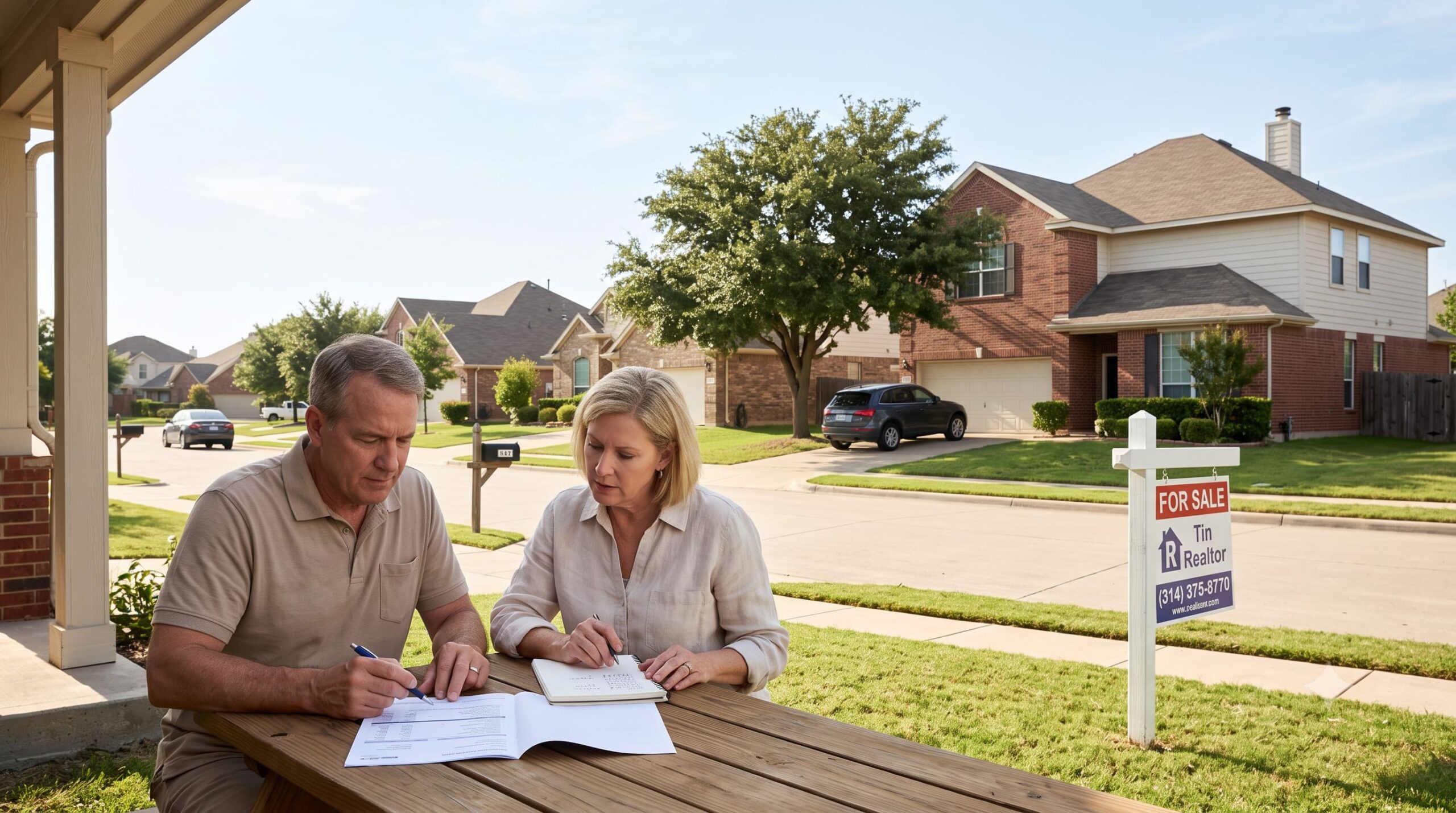
The homestead cap Texas homeowners ask about is one of the most important concepts to understand when reviewing a Texas property tax bill. The Texas homestead cap can limit how much a qualifying residence homestead’s assessed value increases from one year to the next, even when the appraisal district’s market value rises faster.
This article explains how the Texas homestead cap value works, what “homestead cap loss” means, who may qualify, and why homeowners may still need to review exemptions, appraisal values, protest deadlines, and appeal options.
The Texas homestead appraisal cap generally limits the annual increase in the appraised value of a qualifying residence homestead to 10% of the prior year’s appraised value, plus the market value of qualifying new improvements. The cap does not limit the appraisal district’s market-value estimate and does not guarantee that the total property tax bill will rise by no more than 10%.
Last reviewed: July 2026The Texas homestead cap is an appraisal limitation that may apply to a qualifying residence homestead. In simple terms, it can limit the annual increase in the assessed value used for property tax purposes, even if the appraisal district believes the property’s market value increased by more.
This cap is one reason Texas homeowners may see several different numbers on an appraisal notice or tax bill. The appraisal district may list market value, appraised value, assessed value, taxable value, and exemption amounts. Understanding the difference between those numbers is critical before deciding whether a protest is needed.
The homestead cap is commonly described as a 10% appraisal cap. In general, after the cap applies, the assessed value of a qualifying residence homestead may not increase by more than 10% per year, plus the value of certain new improvements.
That does not mean your total property tax bill can only increase by 10%. Tax rates, exemptions, local taxing units, new improvements, and other factors can still affect the final bill.
The Texas homestead cap limits certain value increases for qualifying residence homesteads. It does not freeze the home’s market value, and it does not automatically mean the property is fairly appraised.
Homeowners often confuse these numbers. The homestead cap mainly affects the value used for tax purposes, but the appraisal district may still list a higher market value.
| Term | What It Means | Why It Matters |
|---|---|---|
| Market Value | The appraisal district’s estimate of what the property would sell for under normal market conditions. | This number may still be worth protesting if it is too high, even when a cap limits taxable impact. |
| Appraised Value | The value assigned by the appraisal district before certain limitations or exemptions may apply. | This can affect how the value changes over time and may still be disputed. |
| Assessed Value | The value after the homestead cap or other appraisal limitation may apply. | This is often where the 10% cap becomes visible. |
| Taxable Value | The value after applicable exemptions are subtracted. | This value is used to help calculate the tax bill. |
For a deeper explanation of value terms, review Market Value vs. Appraised Value in Texas.
Homestead cap loss is the difference between a home’s market value and its lower capped appraised value. It represents value excluded from the current appraisal calculation because the residence-homestead cap limited the annual increase. Homestead cap loss is not a penalty, separate tax, refund, or cash benefit.
No. The word “loss” is appraisal terminology describing value that is not included in the capped appraisal for the current year. From the homeowner’s perspective, it generally represents value temporarily excluded from the appraisal used before exemptions are applied.
The homestead cap generally applies to a qualifying residence homestead after the required timing and ownership conditions are met. Homeowners should review whether:
For more on exemption eligibility, visit the Texas Property Tax Exemptions guide.
The residence-homestead limitation generally applies when the owner qualified the property for the residence-homestead exemption in both the preceding and current tax years. It should not be assumed to protect a newly purchased home immediately or preserve the prior owner’s capped value.
This is why many new homeowners see a sharp value change after purchasing a property. The prior owner’s capped value may not carry over in the same way, and the appraisal district may reset the property closer to current market value.
The accumulated difference between market value and capped appraised value may disappear or reset when the property no longer qualifies as the owner’s residence homestead. A sale or change in ownership can also cause the new owner’s appraisal to be calculated without carrying forward the former owner’s accumulated cap benefit.
Certain transfers, inherited-property situations, trusts, divorce-related transfers, and surviving-spouse circumstances may involve special rules. Property owners should confirm the result with the appraisal district or qualified counsel rather than assuming the cap automatically transfers.
When a homeowner buys a new property, the prior owner’s capped value usually should not be assumed to continue as-is. The appraisal district may reassess the property, and the new owner may need to apply for a residence homestead exemption.
New buyers should review their first appraisal notice carefully, confirm whether the homestead exemption has been applied, and compare the market value to the purchase price and other evidence. If the appraisal is too high, the owner may still need to consider a Texas property tax protest.
The following simplified example shows how the cap may affect assessed value. Actual results depend on the property, exemptions, improvements, and appraisal district calculations.
In this example, the appraisal district’s market value is $500,000, but the capped assessed value may be $440,000. The $60,000 difference may appear as a homestead cap loss. The homeowner should still review whether the $500,000 market value is accurate.
The homestead cap and the over-65 exemption are different forms of tax relief. The homestead cap limits certain annual increases in assessed value, while the over-65 exemption may provide additional exemption benefits and may create a school tax ceiling for qualifying senior homeowners.
If you are age 65 or older, review our dedicated article on Texas property tax exemptions for over 65 homeowners.
Yes, in many cases it is still worth reviewing whether a protest makes sense. A homestead cap may limit taxable value, but the appraisal district’s market value can still matter in future years.
If the market value is too high and you do nothing, that higher value may continue to affect future appraisal calculations. A protest may be appropriate when the property is overvalued, property characteristics are wrong, or similar properties are appraised lower.
For broader reduction strategies, review How to Reduce Property Taxes in Texas.
The homestead cap is part of the value calculation, but it does not replace the protest process. If the appraisal district value is wrong, the property record is inaccurate, or comparable properties are assessed lower, a homeowner may still need to file a protest before the deadline.
If a protest result is still unfair, review possible next steps through Property Tax Appeal Texas. Also review the Texas property tax deadlines calendar and the property tax protest and appeal deadlines by county.
The main exemptions hub for homestead, over-65, disability, veteran, disaster, and other exemption topics.
Learn how senior homeowner exemptions and school tax ceilings may work.
Review disability eligibility, exemption amounts, filing rules, and school-tax ceiling benefits.
Review protest, exemption, deadline, and evidence strategies for lowering property taxes.
Understand how appraisal district values may differ from market evidence.
Learn when a protest may be appropriate even if a cap or exemption applies.
Understand possible next steps after an unfavorable protest result.
The homestead cap is an appraisal limitation that may restrict how much a qualifying residence homestead’s assessed value can increase each year. It generally applies after the property qualifies for the required homestead treatment.
Homestead cap loss generally refers to the difference between the appraisal district’s market value and the capped assessed value. It is usually not a penalty; it reflects value that may not currently be taxed because the cap limited the assessed value.
Not necessarily. The cap may limit certain assessed value increases, but tax rates, exemptions, taxing units, property improvements, and other factors can still affect the final tax bill.
Not always. New homeowners should not assume the prior owner’s capped value continues unchanged. The appraisal district may reassess the property, and the new owner may need to apply for a homestead exemption.
You should still review the market value. If the appraisal district’s market value is too high, it may affect future years even if the current assessed value is capped.
No. Homestead cap loss is the difference between market value and capped appraised value. It results from the appraisal limitation rather than a separate exemption deducted from taxable value.
Yes. The appraisal district’s market-value estimate may increase by more than 10%. The residence-homestead limitation generally applies to appraised value, not to the district’s market-value estimate.
The homestead cap limits certain annual increases in assessed value. The over-65 exemption is a senior homeowner benefit that may provide additional exemption relief and may create a school tax ceiling.
PropertyTaxes.Law can help Texas homeowners review appraisal notices, exemptions, capped values, protest deadlines, and appeal options.
Contact UsBrandon and his team have proven they can perform with any product type we give them,
from industrial and office property to single and multi-family residential.
At a critical time when a property was in lease-up, we were faced with an unreasonable and unjustified assessment.
Brandon’s tenacity and responsiveness resulted in a fair assessment and the largest value change I've seen in my career.
Outstanding!! These guys are pros - they are great at what they do and great to work with.